


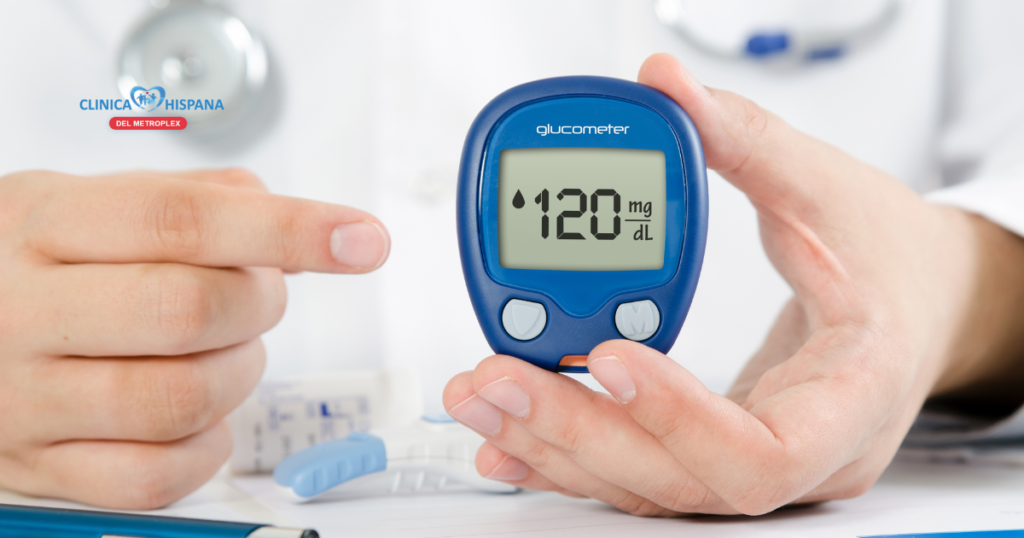
One of the major health problems worldwide is the diabetes mellitus that is associated to high levels of sugar in the blood (glucose) and the poor segregation of the insulin that is the hormone in charge of their assimilation. Diabetes is a chronic (long-term) that affects the way the body turns food into energy.
This disease is one of the main causes of:
- Blindness
- Renal failure
- Heart attacks
- Stroke
- Amputation of the lower limbs
Poorly controlled diabetes increases the chances of these complications and premature mortality. In addition, people with diabetes have increased risk of cardiovascular disease.
What types of diabetes are there?
Gestational Diabetes
Gestational diabetes is a specific disorder of pregnancy, which occurs when the body of the woman does not manage correctly the hormone insulin. Those pregnant women who have gestational diabetes have a greater risk of developing type 2 diabetes later on.
In most cases, there are no symptoms. As a diagnostic method, an analysis is made of the level of sugar in blood during pregnancy. The treatment consists of controlling a daily basis:
- Level of sugar in the blood
- A healthy diet
- Physical exercise
If the level of sugar in the blood is too high, it is necessary to use of medicines.
Type 1 Diabetes
It occurs mainly in children, adolescents, and young adults in which the pancreas produces little or no insulin. Without enough insulin, glucose builds up in the bloodstream instead of going into cells. This buildup of glucose in the blood is called hyperglycemia. The body is unable to use this glucose for energy. This leads to the symptoms of type 1 diabetes include:
- Thirst
- Hunger
- Fatigue
- blurred vision
- Urinating more frequently (even the pass urine during the night or wetting the bed, this happens in children who did not before)
Type 2 Diabetes
It affects the way the body processes blood sugar (glucose). In type 2 diabetes, the body of the person does not produce enough insulin or is resistant to the insulin.
Type 2 diabetes used to be known as adult-onset diabetes, but both type 1 and type 2 diabetes can occur in childhood or adulthood. Type 2 is more common in older adults, but the rise in childhood obesity has led to more cases of type 2 diabetes in younger people. Its symptoms are similar to those of type 1 diabetes.
Who should do the tests to detect diabetes?
Any person who has symptoms of diabetes She should be tested for the disease. Some people will not have symptoms, but they may have risk factors and should be tested. Testing allows healthcare professionals to detect diabetes earlier and work with their patients to manage the disease and prevent complications.
The lifestyle changes on track to lose a moderate amount of weight, if you are overweight, They can help slow down or prevent type 2 diabetes.

Conclusions
There is no cure for type 1 and type 2 diabetes., but losing weight, eating well and exercising can help you to control the disease. If diet and exercise are not enough to control the glucose level in the blood, you may need diabetes medications or insulin therapy.
We want you in our clinic you can have all the information you need and carry out the tests if you suspect that you may suffer from this disease. Meet our laboratory service, visit us or book an appointment.