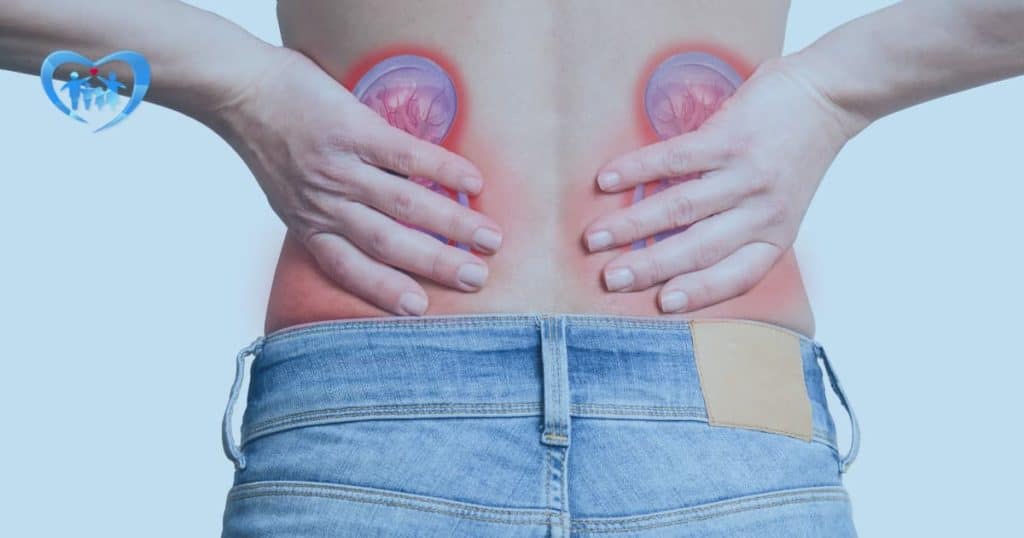
The people most likely to suffer kidney stones According to statistics, those most at risk are people with sedentary lifestyles or who are exposed to high temperatures. This disease is more common in men than in women and affects up to 10% of the young adult population.
Causes
Genetic factors such as kidney malformations.
Eating disorders such as excessive salt in meals, low fluid intake and a sedentary lifestyle.
Symptoms
Renal colic One of the most common. It produces intense pain in the lower back that radiates to the abdomen and is not relieved. It is often accompanied by nausea, vomiting, and sweating.
Urinary tract infections and blood in the urine.
How are kidney stones diagnosed?
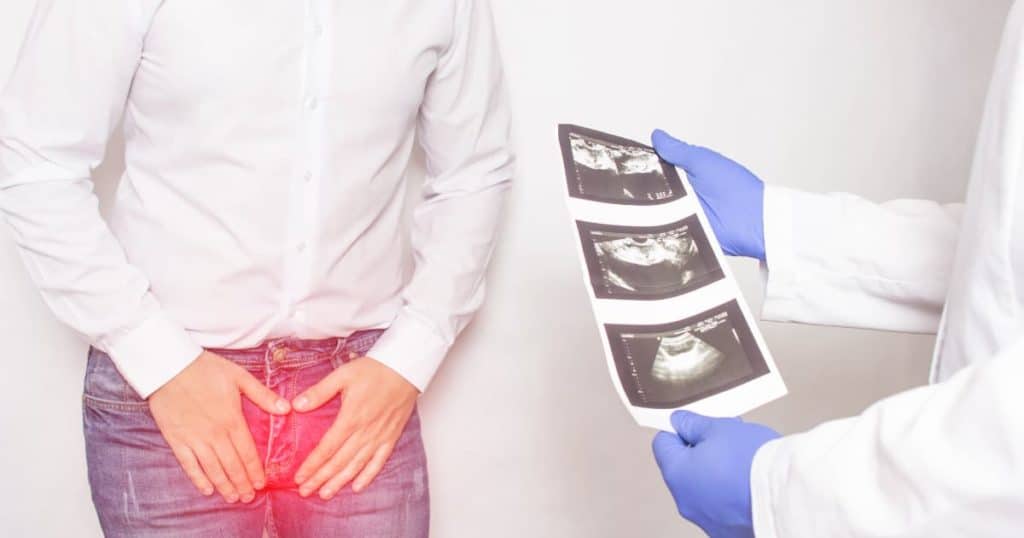
To make a diagnosis, the first step is to review the patient's medical and sexual history. This involves physical examinations, psychosocial evaluations, and laboratory and imaging tests. The most accurate way to diagnose this condition is through tests such as X-rays, urograms (including contrast-enhanced urograms), and ultrasounds. These tests allow doctors to determine the size of the stones. Subsequently, their composition is analyzed, along with any associated diseases.
If I have kidney stones, what would my treatment be?
In people with kidney stones, the most common treatment consists of:
Use adequate hydration
Soft diet
Repose
Pain relievers and some relaxants to help the spontaneous elimination of the stone or stones, as long as their size allows.
If the stones are very large (greater than 5 mm), it is necessary to fragment them using ultrasound.
How to prevent kidney stones?
Drink plenty of fluids
Proper nutrition
Regular exercise, at least 30 minutes daily, reduces the likelihood of forming these concretions.
Some people, despite these precautions, may continue to develop kidney stones, so it is necessary to add certain medications that "teach" the kidney not to produce them anymore, thus stopping the disease.
Conclusions
If you need support or guidance to achieve a healthy lifestyle, you can consult with one of our health professionals from wherever you are via Teleconsultation.
In our health clinics located in Dallas y Fort Worth From day one, you will have professionals who look after your health, your safety, and your quality of life.