

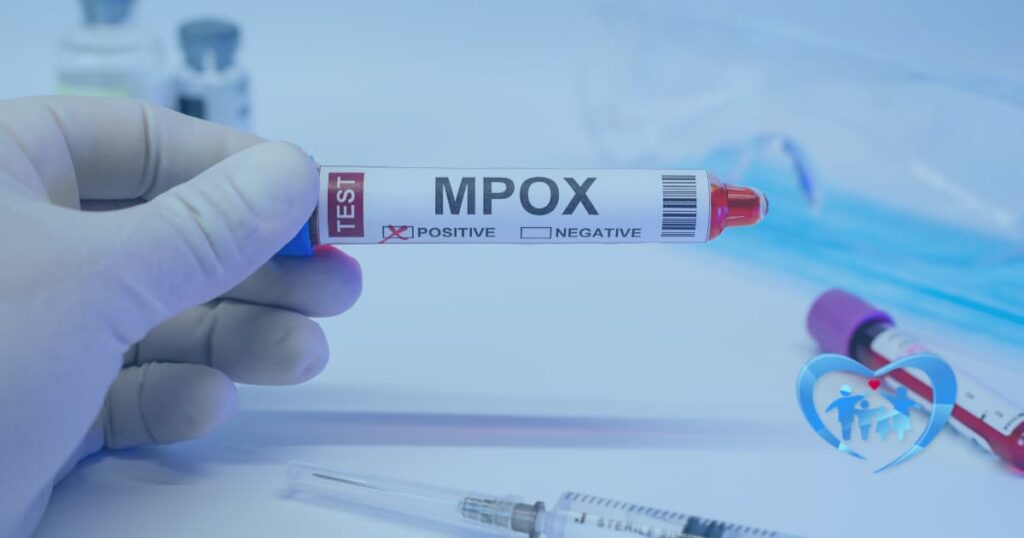
Monkeypox, also known as mpox, is a zoonotic viral disease, meaning it can be transmitted from animals to humans. Although historically less common than smallpox, it has seen a rise in cases worldwide in recent years, raising concerns within the medical community and among the general public.
What is Monkeypox?
Monkeypox is caused by the monkeypox virus, a member of the poxvirus family. This virus produces symptoms similar to those of smallpox, although generally milder. The disease was first identified in 1958 in monkey colonies, hence its name. See more details.
Symptoms of Monkeypox
Symptoms of mpox usually appear between 5 and 21 days after exposure to the virus and may include:
- Fever: One of the first symptoms, it is usually high and accompanied by chills.
- Headache: A sensation of intense pain in the head.
- Swollen lymph nodes: The lymph nodes, especially those in the neck, become swollen and painful.
- Weakness: A feeling of tiredness and lack of energy.
- Rash: A rash is a distinctive feature of monkeypox. It begins as small red spots that develop into fluid-filled blisters, similar to chickenpox. These blisters can appear anywhere on the body, including the face, palms of the hands, and soles of the feet.
Transmission of Monkeypox
Epstein-Barr virus (EBV) is primarily transmitted through direct contact with skin lesions, infected bodily fluids, or materials contaminated with the virus. It can also be transmitted through respiratory droplets during prolonged face-to-face contact.
The main risk factors for developing mpox include:
- Close contact with infected people: This includes sexual contact, contact with skin lesions, or sharing contaminated personal items.
- Contact with infected animals: Rodents and non-human primates are the main reservoirs of the virus.
- Travel to areas where the disease is endemic: In some parts of Africa, monkeypox is endemic, meaning it is present in the animal and human population on an ongoing basis.
Prevention of Monkeypox
While there is currently no specific vaccine for mpox, the smallpox vaccine has proven effective in preventing the disease. In addition, the following measures can be taken to reduce the risk of infection:
- Avoid close contact with people with suspected symptoms.
- Practice good hand hygiene.
- Use condoms during sexual intercourse.
- Cook the meat thoroughly.
- Avoid contact with wild animals, especially rodents and primates.
Treatment of Monkeypox
In most cases, mpox is a self-limiting illness, meaning the body can fight the infection on its own. However, the symptoms can be very uncomfortable and may require symptomatic treatment, such as medication to relieve pain and fever. In severe cases, hospitalization may be necessary.
What should you do if you suspect you have monkeypox?
If you experience symptoms consistent with monkeypox, it is important to consult a doctor immediately. The doctor will perform a clinical evaluation and, if necessary, order laboratory tests to confirm the diagnosis.
Important: The information provided in this article is for informational purposes only and should not replace professional medical advice. If you have any concerns about monkeypox, consult your doctor.
We accept walk-ins only. by appointment as you prefer.