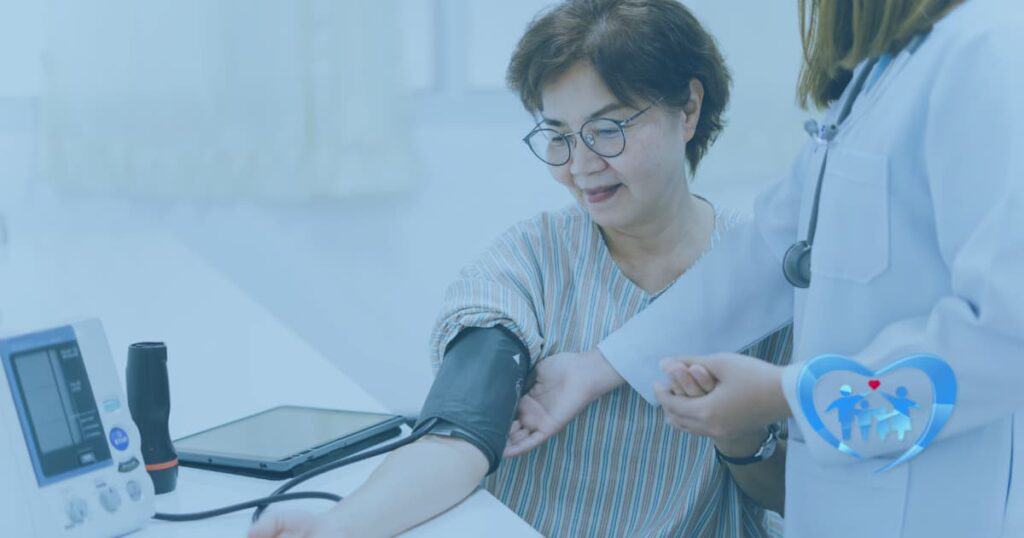
High blood pressure, also known as hypertension, is a common health problem affecting millions of people worldwide. It is estimated that in the United States, 1 in 3 adults has high blood pressure, and many are unaware of it. Despite its prevalence, many myths and facts surround blood pressure. Uncontrolled hypertension can lead to serious health problems, including heart disease, stroke, kidney failure, and vision problems.
Despite its prevalence, there is a lot of misinformation about blood pressure. This can lead to people not taking the necessary steps to control their blood pressure and protect their health.
We'll debunk common myths about blood pressure with evidence-based information. We'll also provide resources for the Hispanic community in Dallas and Fort Worth seeking accurate information about blood pressure.
Myth 1: High blood pressure only affects older people.
Reality: High blood pressure can affect people of all ages, including children and teenagers. However, it is more common in older adults. Watch videos about blood pressure in women.
Myth 2: I only need to worry about my blood pressure if I have symptoms.
Reality: Most people with high blood pressure don't have any symptoms. That's why it's so important to check your blood pressure regularly, even if you feel fine.
Myth 3: If my blood pressure is high once, it means I have hypertension.
Reality: Blood pressure can fluctuate throughout the day due to various factors, including stress, caffeine, and exercise. To diagnose hypertension, several elevated blood pressure measurements taken at different times are needed.
Myth 4: I only need to take blood pressure medication if I can't control it with lifestyle changes.
Reality: Lifestyle changes, such as a healthy diet, regular exercise, and weight control, are important for everyone with high blood pressure, even if they also take medication.
Myth 5: There is nothing I can do to prevent hypertension.
Reality: While there are some risk factors for high blood pressure that cannot be controlled, such as age and genetics, there are many things you can do to reduce your risk, such as making lifestyle changes and managing your weight.
Conclusions
It's important to get accurate blood pressure information from reliable sources, such as your doctor or community health clinics. By understanding the myths and facts about blood pressure, you can take steps to manage your health and reduce your risk of serious complications.
At each of our Hispanic clinics in Dallas and Fort Worth, we are committed to the prevention, monitoring, and control of patients with high blood pressure, focusing on their preventative care, education, and lifestyle improvement. Visit us o schedule an appointment As you prefer, we serve patients with or without medical insurance and we speak Spanish.