

Diabetes is one of the most common chronic diseases in the world, and early detection is key to effective treatment and a healthy life. If you're wondering when to get tested and how the tests work, you'll find all the necessary information here. We'll also share information on diabetes diagnostic tests, helpful tips for managing your health, and how to prevent complications.
What is Diabetes and Why is it Important to Detect it Early?
Diabetes is a disease that affects the body's ability to regulate blood sugar levels. There are three main types: type 1 diabetes, type 2 diabetes, and gestational diabetes. Detecting it early can prevent serious complications such as heart disease, kidney damage, or vision problems.
When should you get tested for diabetes?
Getting tested for diabetes is especially important if you have common risk factors or symptoms. These include:
Risk factors:
- Family history: If you have close relatives with diabetes, your chances increase.
- Overweight or obesity: A high body mass index (BMI) is a key factor.
- Sedentary lifestyle: Lack of physical activity contributes to the risk.
- Age: People over 45 years of age are more likely.
- Health conditions: Hypertension, high cholesterol, or polycystic ovary syndrome.
Symptoms you shouldn't ignore:
- Excessive thirst.
- Frequent urination.
- Extreme fatigue.
- Blurred vision.
- Wounds that take a long time to heal.
If you have any of these factors or symptoms, consult your doctor to get tested for diabetes. Watch the explanatory video.
Types of tests used to diagnose diabetes
The most common tests to diagnose diabetes are:
- Hemoglobin A1c: It measures the average blood sugar over the past 2-3 months. A result of 6.5% or higher indicates diabetes.
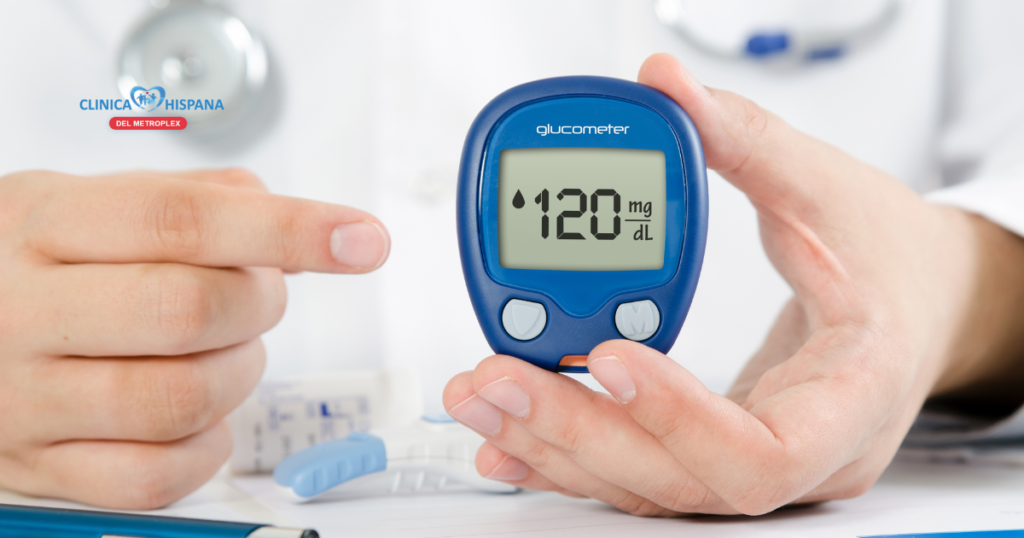
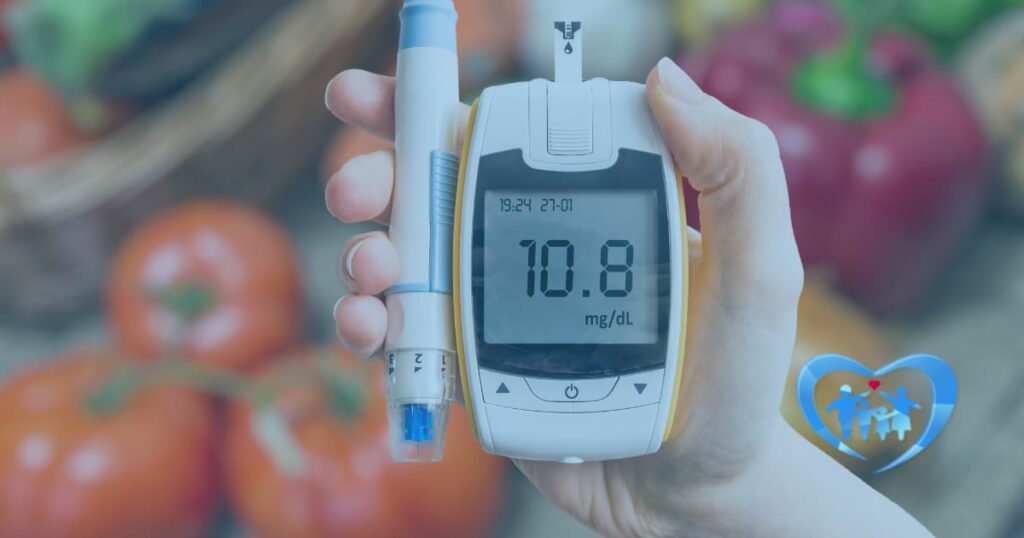
- Fasting glucose: It is performed after fasting for at least 8 hours. A level above 126 mg/dL is a sign of diabetes.
- Glucose tolerance test: It assesses how your body responds to a glucose load. It is common in pregnant women.
- Random glucose test: Ideal for detecting high levels at any time of day.
Tips for Preparing for the Tests
- Fast if necessary: Some tests require you not to eat for 8 hours.
- Avoid foods high in sugar: This may alter the results.
- Consult your doctor: Mention any medication you are taking, as it can affect glucose levels.
How to Prevent Diabetes?
- While it's not always possible to prevent it, following these tips can reduce the risk:
- Maintain a balanced diet rich in fruits, vegetables, and whole grains.
- Engage in physical activity for at least 30 minutes a day.
- Avoid smoking and excessive alcohol consumption.
- Get regular medical checkups.
Watch the video. Good news: Type 2 diabetes can be prevented. Tips.
Conclusions
Early detection of diabetes is essential to prevent long-term complications. Getting tested regularly, especially if you have risk factors, can make a big difference. Don't wait for symptoms to worsen; prioritize your health today.
If you have any questions, Schedule a consultation Take control of your well-being. Your body will thank you!