


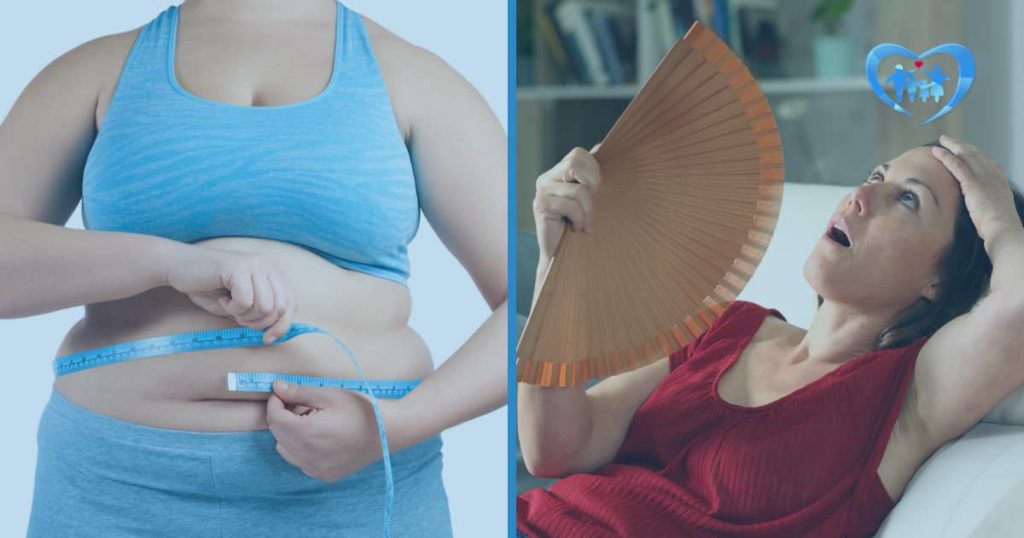
Studies show that approximately 50% of menopausal women tend to have more abdominal fat. Weight gain in the menopause This is associated with a slower metabolism and a greater likelihood of developing a lipid profile imbalance. During this stage of a woman's life, estrogen levels decrease, leading to an increase in total cholesterol and LDL (bad) cholesterol, and a decrease in HDL (good) cholesterol.
Relationship between weight gain and menopause
Menopause is a natural transition in a woman's life that occurs when the ovaries stop producing estrogen and progesterone. When menstruation permanently ceases, women experience physical changes that are part of a normal physiological process, but these changes can affect their quality of life. Certain factors can contribute to weight gain, such as:
- Slower metabolism
- Thyroid disorders (hypothyroidism, hyperthyroidism)
- Altered lipid profile
- Insulin resistance
It's important to note that during menopause, women begin to accumulate abdominal fat, which is a risky type of fat associated with a significant increase in cardiovascular risk. This is more common in sedentary individuals who don't have a proper diet.
A guide to everything you need to know about menopause.
Obesity and menopause are related in several ways. First, obesity can increase the risk of developing menopausal symptoms, such as hot flashes, night sweats, and sleep problems. Second, obesity can worsen existing menopausal symptoms. Third, obesity can increase the risk of developing menopausal complications, such as osteoporosis and heart disease.
Effects of obesity on menopause
Obesity can increase the risk of developing menopausal symptoms, such as:
Hot flashes: Hot flashes are sudden episodes of intense heat felt in the face, neck, and chest. They are more common in women with obesity.
Night sweats: Night sweats are episodes of intense sweating that occur during sleep. They are more common in women with obesity.
Sleep problems: Obesity can make it difficult to fall asleep and stay asleep.
Obesity can also worsen existing menopausal symptoms. For example, women with obesity may experience more intense and frequent hot flashes than women of a healthy weight.
Key points to highlight
- Obesity and menopause are two conditions that can have a significant impact on women's health.
- Obesity can increase the risk of developing menopausal symptoms, worsen existing menopausal symptoms, and increase the risk of menopausal complications.
- Menopause can increase the risk of developing obesity.
- Women with obesity and menopause have a higher risk of developing health complications, such as osteoporosis and heart disease.
Conclusions
Women in this stage of menopause continue to play an active role in their family, work, and social lives. At Clínica Hispana del Metroplex, we have trained healthcare professionals to care for you and advise you so you can navigate this stage, which typically begins between the ages of 45 and 55, in the best possible way, often with some physical and emotional challenges.
At our Latino clinics located in Dallas and Fort Worth, we have the tools to support you during this stage, to help you prepare for this moment, to guide you, clarify your doubts, and dispel some myths and fears.
During menopause, it is important to manage this transition well, which involves adopting a balanced diet, exercising, and, if necessary, undergoing hormone replacement therapy.
If you are obese or going through menopause, talk to your doctor about the best ways to manage your weight and improve your health. Visit us o schedule an appointment as you prefer.