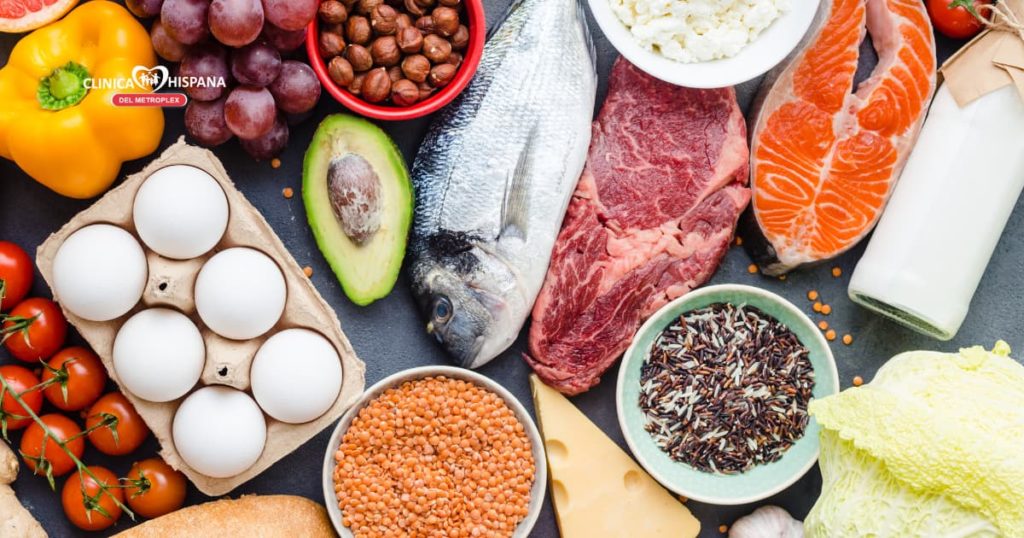



An unbalanced diet can have serious consequences for our health. We are what we eat, and a good diet helps us look and feel healthier. It means eating a diet that meets all our body's needs with various nutrients: carbohydrates, proteins, lipids (fats), minerals, vitamins, and water. At the same time, it provides us with the energy we need. Eating healthily allows us to look and feel better.
1. Eat fruits and vegetables every day. Fruits and vegetables are rich in essential nutrients that help your body function properly.
Fruits and vegetables are an excellent source of vitamins, minerals, fiber, and antioxidants. They are essential for good overall health.
The recommendation is to consume at least 5 servings of fruits and vegetables per day. One serving is equivalent to:
- A medium-sized fruit
- A handful of raw or cooked vegetables
- Half a cup of fresh or frozen fruit
- Half a cup of cooked vegetables
- A cup of natural 100% fruit juice
2. Choose whole foods. Whole foods are rich in fiber and other nutrients that keep you feeling full and energized.
Whole foods are those that have not been processed or refined. They are rich in fiber, vitamins, minerals, and other nutrients.
Some examples of whole foods are:
- Whole grains, such as oats, brown rice, and wholemeal bread
- Fresh fruits and vegetables
- Legumes, such as lentils, beans, and chickpeas
- Nuts and seeds
- Whole dairy products
3. Limit your consumption of processed foods. Processed foods are usually high in calories, saturated fats, added sugars, and sodium.
Processed foods are usually high in calories, saturated fat, added sugars, and sodium. They are also usually low in nutrients.
Some examples of processed foods are:
- Fast food
- Frozen foods
- Packaged foods
- Sweets
- Sugary drinks
4. Choose lean proteins. Lean proteins, such as fish, poultry, and legumes, are important for building and repairing muscles.
Lean proteins are important for building and repairing muscles. They are also a good source of energy.
Some examples of lean proteins are:
- Fish, such as salmon, tuna, and mackerel
- Birds, such as chicken and turkey
- Legumes, such as lentils, beans, and chickpeas
- Low-fat dairy products
5. Drink enough water. Water is essential to keep you hydrated and healthy.
Water is essential for staying hydrated and healthy. It helps eliminate toxins from your body, transport nutrients to your cells, and regulate body temperature.
The recommendation is to drink at least 8 glasses of water a day.
6. Exercise regularly. Exercise helps maintain a healthy weight, strengthen your muscles and bones, and improve your mood.
Exercise helps maintain a healthy weight, strengthen your muscles and bones, and improve your mood.
The recommendation is to do at least 30 minutes of moderate physical activity most days of the week.
7. Get enough sleep. Sleep is essential for your body to recover and repair itself.
Sleep is essential for your body to recover and repair itself. When you don't get enough sleep, your body can't function properly.
The recommendation is to sleep between 7 and 8 hours each night.
Main benefits of a healthy diet: it allows us to look and feel healthier
- Improves overall health: A healthy diet helps prevent chronic diseases, such as heart disease, type 2 diabetes, and cancer. It also helps maintain a healthy weight and improve mood.
- Improves energy: A healthy diet provides the body with the nutrients it needs to function properly. This can help increase energy levels and reduce fatigue.
- Improves appearance: A healthy diet can help improve your skin, hair, and nails. It can also help reduce inflammation and wrinkles.
- Promotes weight loss: A healthy diet can help you lose weight or maintain your current weight. This is because healthy foods are rich in nutrients and low in calories.
- Reduces the risk of injury: A healthy diet helps maintain healthy bones, muscles, and tendons. This can help reduce the risk of injury.
- Reduces the risk of heart disease: A healthy diet that includes plenty of fruits, vegetables, and whole grains can help reduce the risk of heart disease.
- Reduces the risk of type 2 diabetes: A healthy diet that includes plenty of fruits, vegetables, and whole grains can help reduce the risk of type 2 diabetes.
- Reduces the risk of cancer: A healthy diet that includes plenty of fruits, vegetables, and whole grains can help reduce the risk of certain types of cancer, such as colon cancer, breast cancer, and prostate cancer.
- Improves mental health: A healthy diet that includes plenty of fruits, vegetables, and whole grains can help improve mood and reduce the risk of depression.
- Improves bone health: UA healthy diet that includes enough protein, calcium, and vitamin D can help keep bones healthy and strong.
- Improve your dental health: A healthy diet that includes plenty of fruits and vegetables can help reduce the risk of cavities and other dental diseases.
What happens to your body when you eat poorly. Watch video.
Food can affect our mood. Watch video
Conclusions
Our mission is to help you prevent, detect, and learn to live well for you and your family. With our experienced and professional team, we accompany you, guiding you at all times using all the tools that allow you to improve your quality of life.
Empowering our community with valuable information and tools to take care of their health and the health of their loved ones is one of our missions.
Do you feel that your health is not well?
Visit us o schedule an appointment as you prefer